

Join devRant
Do all the things like
++ or -- rants, post your own rants, comment on others' rants and build your customized dev avatar
Sign Up
Pipeless API
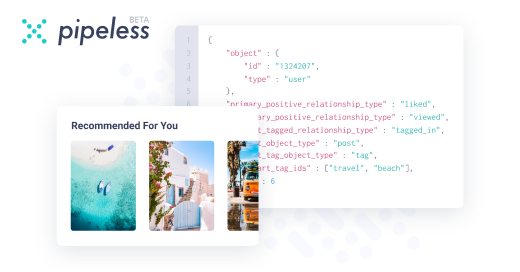
From the creators of devRant, Pipeless lets you power real-time personalized recommendations and activity feeds using a simple API
Learn More


Related Rants


 Source: /r/ProgrammerHumor
I am lately working on a Wordpress website (ouch, pain) for a friend as a side project and it is supposed to be multilingual. No problem, there are some plugins for it and thanks to one of my previous rants I found out the _e() function (still a stupid af name).
But I was wondering: given that I’ll have a lot of translations in some template pages in the theme, what is the standard way to do it? I have a couple of solutions in mind:
- single Po/mo files for every page
- as above, but with a script to merge the Po(s) before making the mo
Am I missing something obvious?
I was told to just use one po, but it sounds like hell to organise
question
wordpress
php
localization